> McDonald’s doesn’t plan to use the individual images by themselves for this reason. “When you present the visuals for
the five key nutrients together in full color,” Fairgrieve concludes, “the potentially negative connotations of
red fade away.”
> Some colors were changed because nutritionist feedback identified red with protein, yellow with fat and green with energy.
Red, I understand. Muscle fibre (what protein builds, in most people's minds) is red. Yellow is fat because fat is, itself—in large enough amounts—a light yellow color. Butter, margarine, liposuction ejecta... etc.
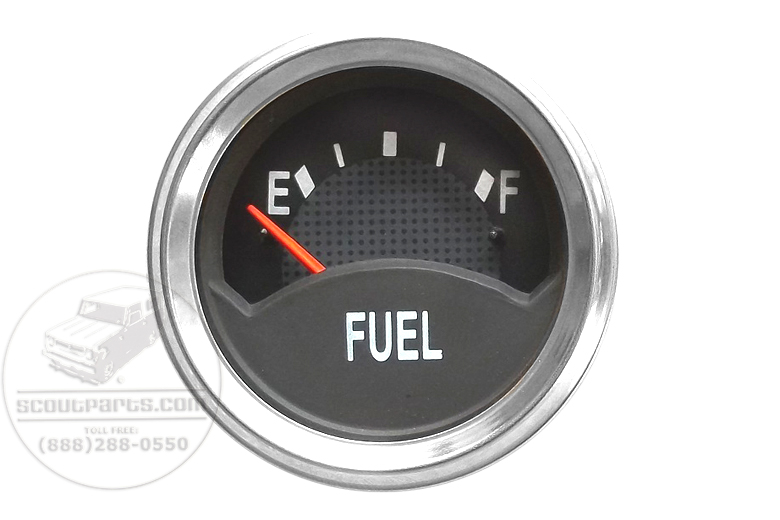
Energy, though, is a bit hard to deduce. Notice that the symbol beside carbs is a gas gauge. Petrol is, in fact, a somewhat-greenish liquid. And I'm guessing petrol was the subliminal metaphor here. You "fill up on" energy like a car fills up on gas; and carbs make you go like gas makes a car go.
I had to work through it by a process of elimination, like a Sudoku puzzle: the "fat" symbol is definitely evoking "tape measure around the waist" iconography, perhaps implying (falsely) that "fat is the thing that makes you fat"—but more likely just putting people in mind of their weight and then saying "yeah, that stuff, that's what's in this."
Given that, it'd be redundant for the carbs icon to also be about weight. It's a meter of some sort, though. To me, it's either temperature—or pressure in a storage tank. Temperature would somewhat make sense, in the idea that carbs are the simplest thing that the body burns, and eating more carbs literally makes you hotter. But there are more common icons for temperatue (e.g. an old mercury thermometer with the teardrop base), so it's probably not temperature. Pressure it is.
Given that the referent is carbs, what would the storage tank be filled with? Probably a liquid. Liquid sugar? Sugar isn't green. What's a green liquid? Most hydrocarbons. Hydrocarbons are like carbohydrates, and serve many of the same functions for machines that carbs do for humans.
What's a common hydrocarbon pressure gauge? A car's gas gauge.
That one was actually clear to me. "That looks like a fuel gauge. Carbs are our main energy source - fuel." But I paid no attention to the colors.
Fat, on the other hand, made no sense to me. And I had to go back and read the text to see if they really did intend it as "measuring tape to measure how fat you are", and yeesh, they did. That's... bad.
So is grain alcohol. That does not make it plant matter. Both are so far removed from "plants" that the association with it's original components is effectively meaningless. Bread is not a plant product, it is its own thing: a bread product.
Compare the equivalent product, rice. Rice is stewed grass seeds. You don't think it's a plant product? Are potatoes a plant product?
Grain alcohol, depending on how you prepare it, might easily retain no trace of biological material other than sugar and alcohol. That is not true of bread; bread is not heavily processed at all. You could trivially analyze any sample of bread and determine what plants it was made from.
Claiming that bread is not a plant product makes all the sense of claiming that cheese is not a milk product.
Yea. It's still weird as hell to call rice a vegetable as if that's meaningful. Doubly weird to consider rice's vegetable-ness as leading to its carbness.
Most of the rice plant is just fiber, nutritiously.
Fiber is a carbohydrate too, you know. What non-vegetable source of carbohydrates do you know of? As far as I'm aware, human dietary carbohydrates overwhelmingly come from (1) grass; (2) potatoes; (3) fruit; or (4) sugar beets. There is a reason for this: carbohydrate is the basic structural material of plants in the same way that protein is the basic structural material of animals.
I guess you could call honey an animal source of carbohydrates. It's not exactly a huge part of any non-hunter-gatherer's diet. And the bees have to make it from flowers.